Greenville Water reports no lead service lines in its system. That's good news, but it isn't the whole story. Lead in tap water usually comes from the plumbing inside a home, not the utility's pipes. If your home was built or re-plumbed before 1986, or still has older faucets, it's worth knowing where lead can hide.
Where lead comes from
Lead dissolves into water as it sits in contact with lead-containing materials. Inside a home, the usual sources are:
- Lead solder:
joints in copper pipes installed before 1986 could legally be made with lead solder.
- Brass faucets and fittings:
until 2014, "lead-free" fixtures could contain up to 8% lead. Today the limit is 0.25%.
- Galvanized pipes:
older galvanized steel pipes can collect lead from upstream sources and release it later.
What Greenville Water does
Greenville Water adds a corrosion inhibitor to its water to help protect pipes and reduce the chance of metals dissolving into it. It also reports that neither its system nor the West Pelzer system it operates has lead service lines. What it can't control is the plumbing on your side of the meter.
Signs your home may be at higher risk
- Built or re-plumbed before 1986
- Original or older brass faucets and fittings
- Galvanized pipes anywhere in the house
- Water that sits unused for long stretches, like a guest bathroom
The only way to know is to test the water from your own taps.
Simple steps you can take now
- Use only cold water for drinking, cooking and baby formula. Hot water picks up lead more easily.
- If water has sat for several hours, run the tap until it feels colder before drinking.
- Clean faucet aerators regularly, since particles can collect there.
EPA's health goal for lead in drinking water is zero, because there's no known safe level of exposure.
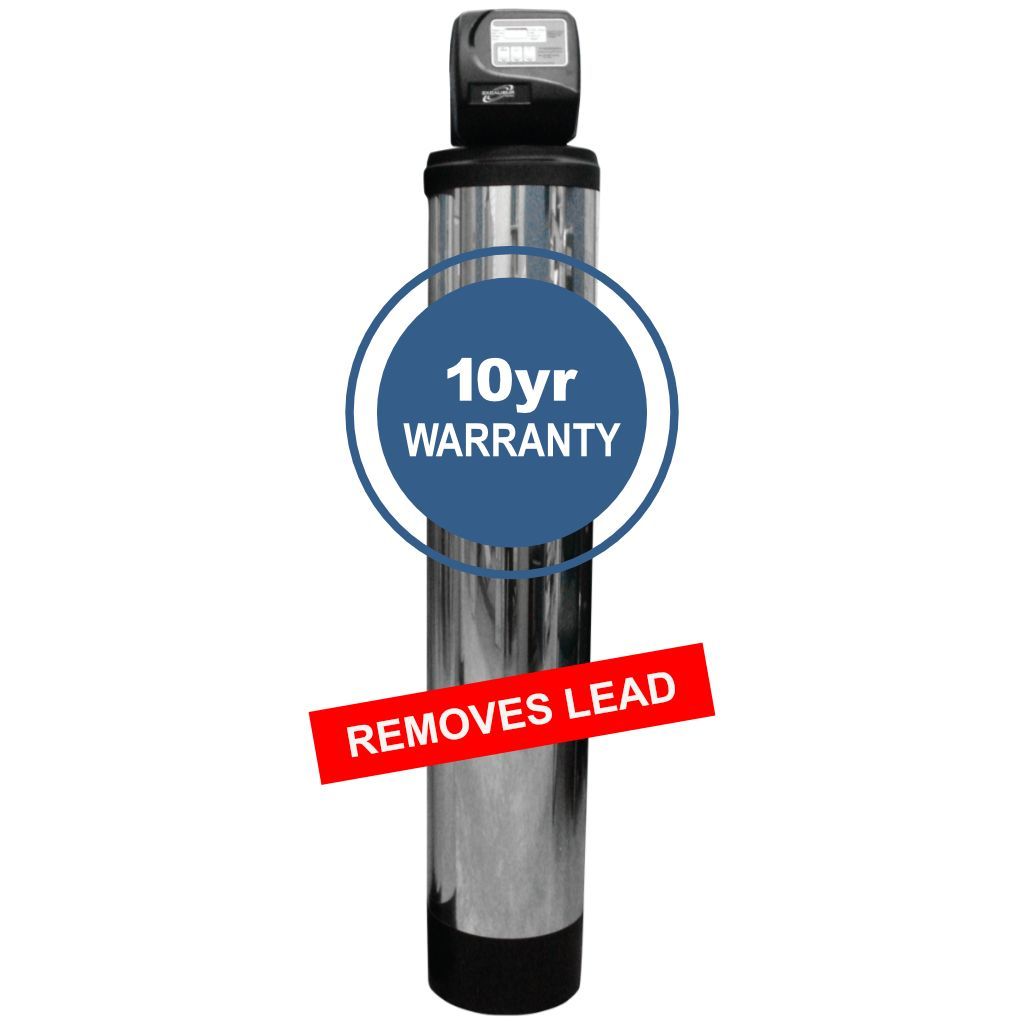
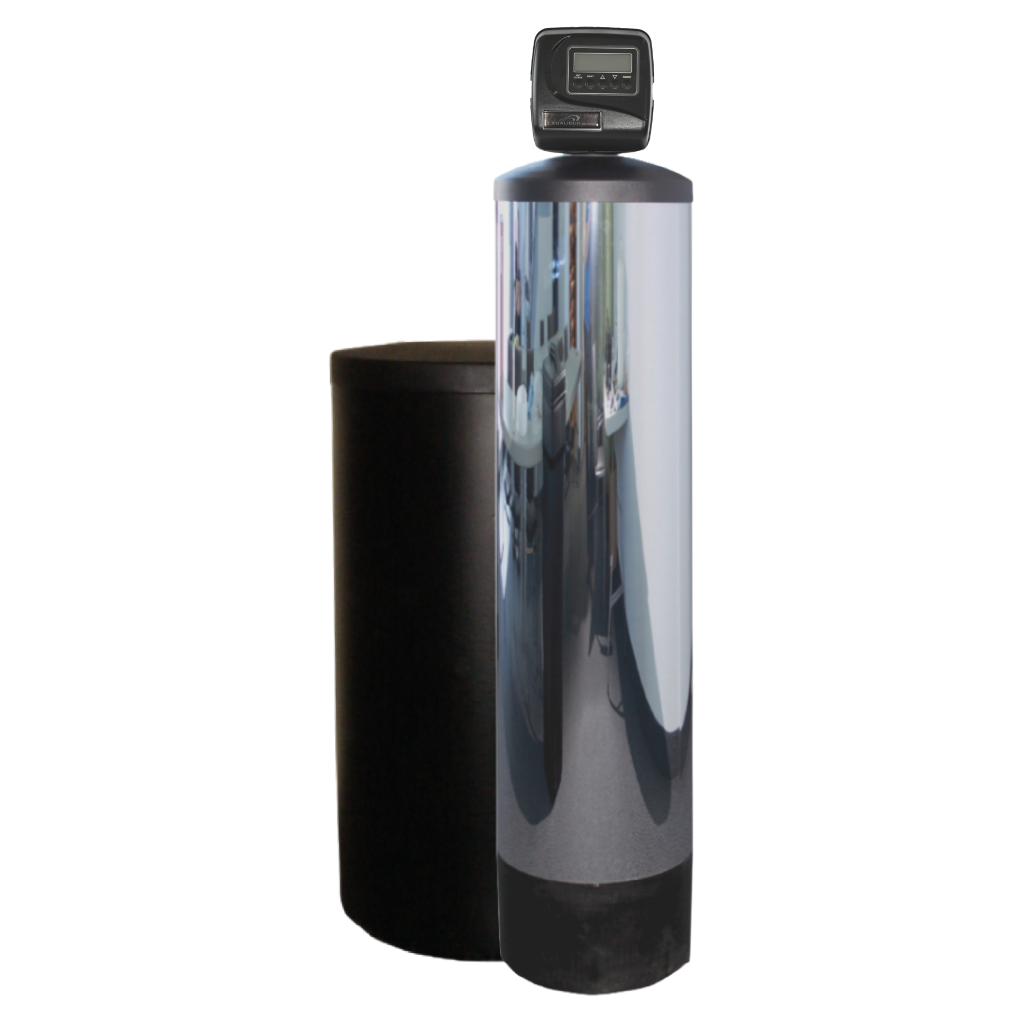
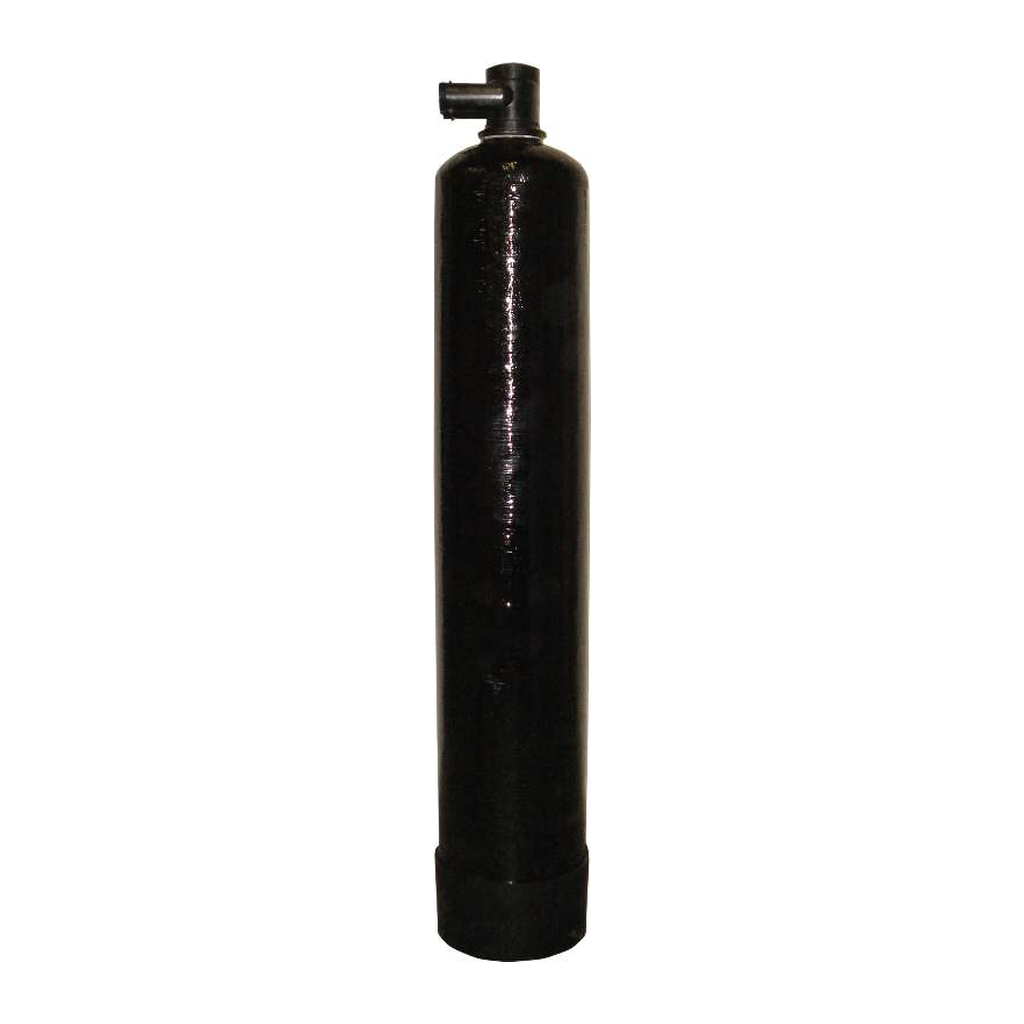
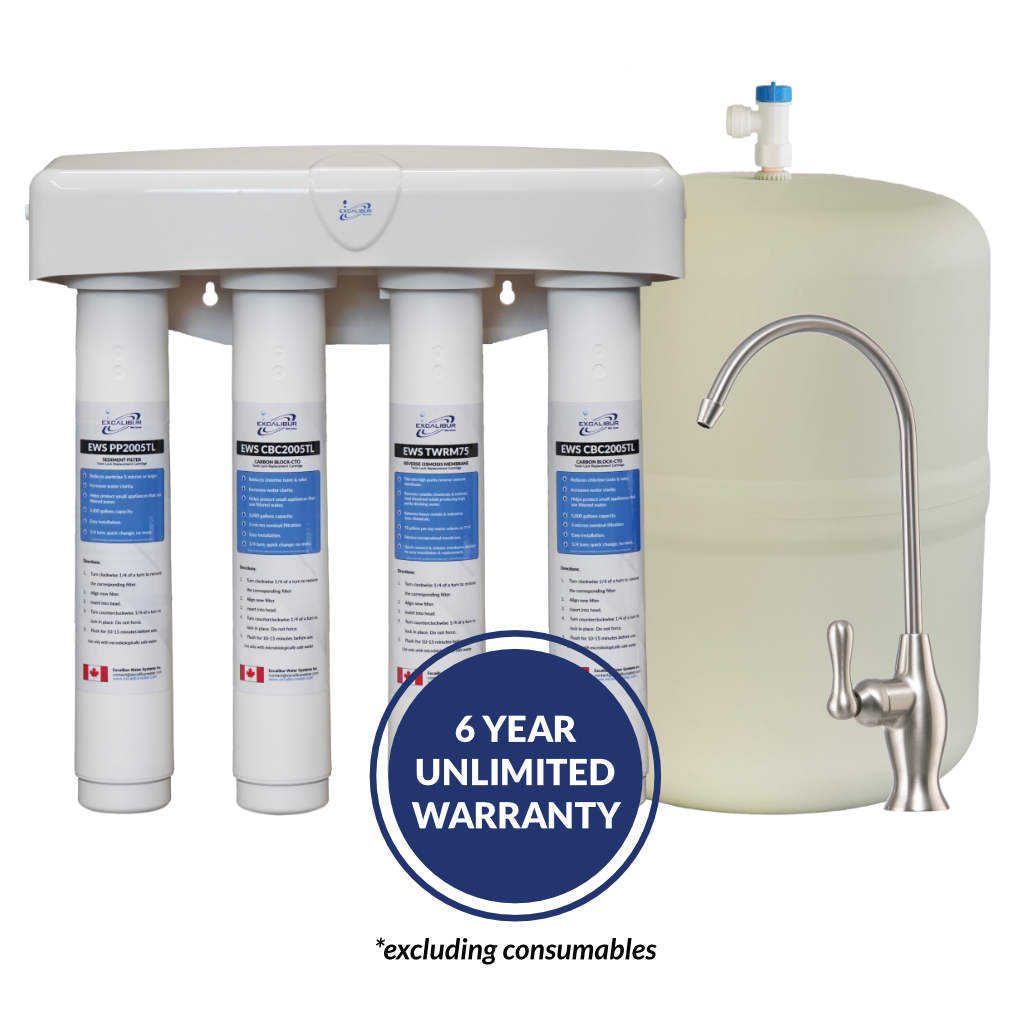
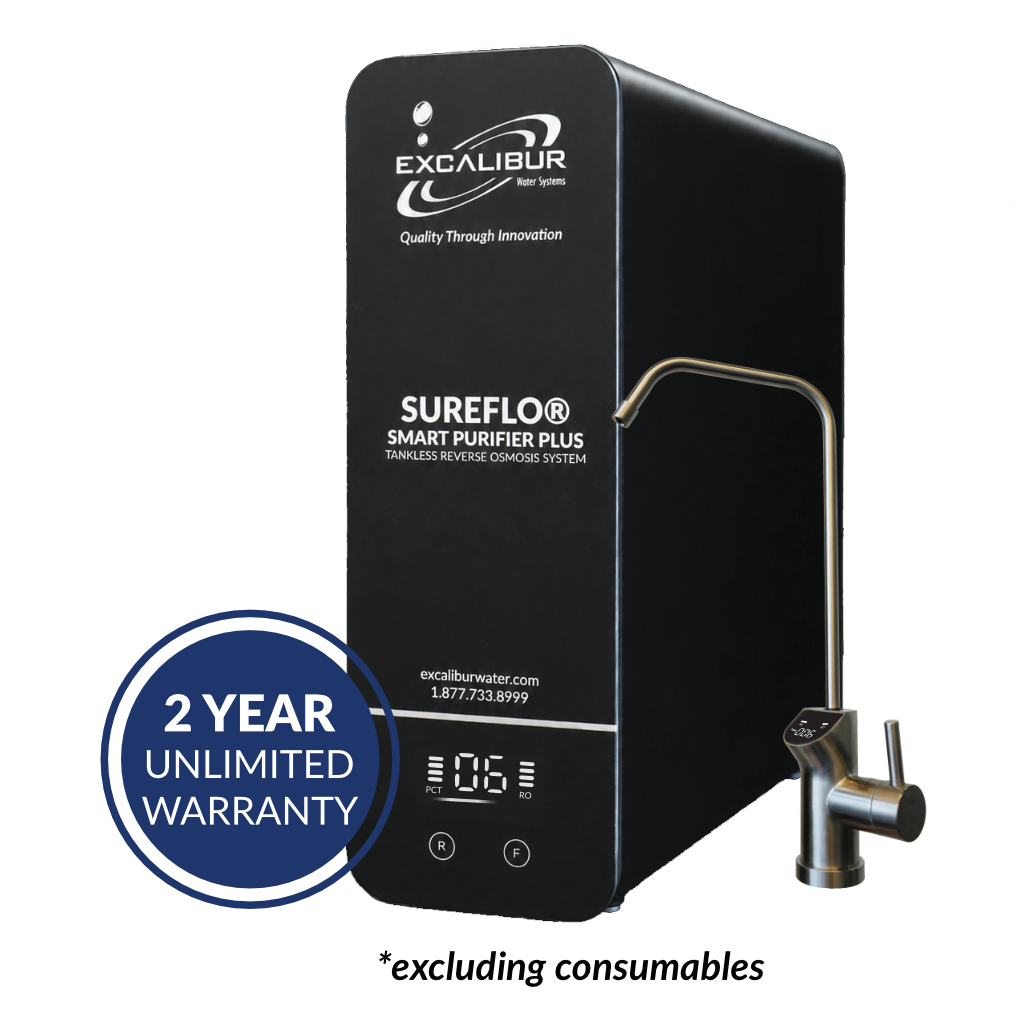
How to reduce lead at home
For help choosing, see Whole Home Water Filter vs. Reverse Osmosis.
The bottom line
Greenville Water has no lead service lines, but older home plumbing can still add lead on the way to your glass. A free water test is the simplest way to find out. See our Water Quality page
for more on local water.