
PFAS in Upstate SC Drinking Water
What PFAS "forever chemicals" are, what EPA's limits say, what Upstate SC water reports show, and how to reduce PFAS in your drinking water.
PFAS have been in the news since EPA set the first national drinking water limits for them in 2024. Upstate utilities are at very different points: some haven't detected PFAS at all, and at least one is above the future federal limit. Here's what PFAS are, what local reports show, and what you can do at home.
What are PFAS?
PFAS (per- and polyfluoroalkyl substances) are a large group of man-made chemicals. They've been used for decades in nonstick cookware, stain-resistant fabrics, waterproof gear, food packaging and some firefighting foams. They're nicknamed "forever chemicals" because they break down very slowly and can build up in water and in the body.
What are EPA's limits?
In April 2024, EPA set enforceable drinking water limits:
- PFOA and PFOS: 4 parts per trillion each
- PFHxS, PFNA and GenX: 10 parts per trillion each, plus a combined limit for mixtures
Water systems have until 2029 to comply. In May 2026, EPA proposed keeping the PFOA and PFOS limits, giving systems until 2031, and rescinding the limits on the other three. As of this writing, those changes are still proposals, so the 2024 rule stands.
Four parts per trillion is a very small amount, about four drops in 20 Olympic-size swimming pools.
What do Upstate SC water reports show?
| Utility | What its reports say about PFAS |
|---|---|
| Greenville Water | No PFAS detected in its reservoirs in testing from 2019 through 2023. |
| Greer CPW | No PFAS detected in 2024 and 2025 testing. |
| Spartanburg Water | PFAS samples below the minimum reporting level in EPA testing. |
| Greenwood CPW | PFOA averaged 4.8 ppt and PFOS 7.3 ppt in 2025, above the limit that takes effect in 2029. The utility says it's exploring treatment options. |
That's not a violation in Greenwood's case, since the deadline hasn't arrived. It does show that results vary from one system to the next. Your utility's annual water quality report lists its own results.
What about private wells?
Private wells aren't covered by these rules, and no one tests them for you. If your home is on a well, testing is the only way to know what's in it.
How to reduce PFAS at home
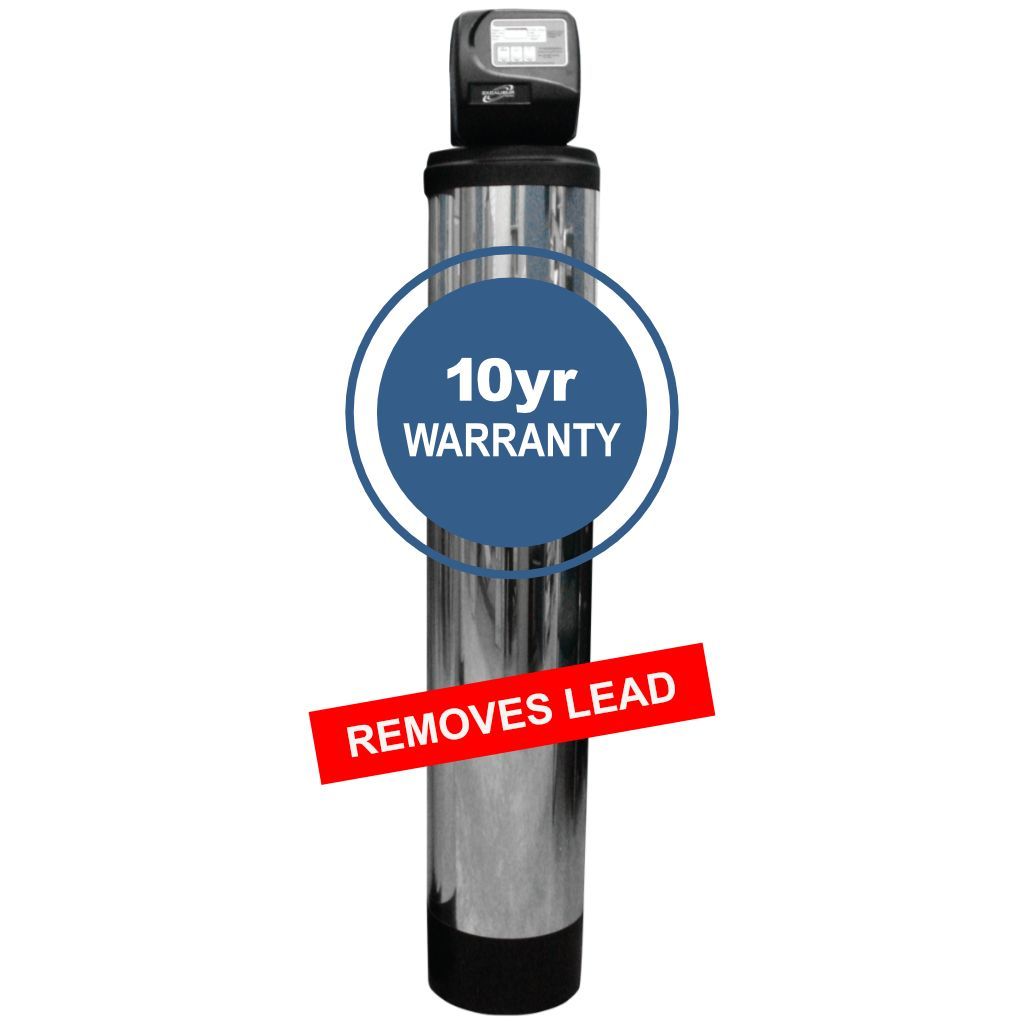
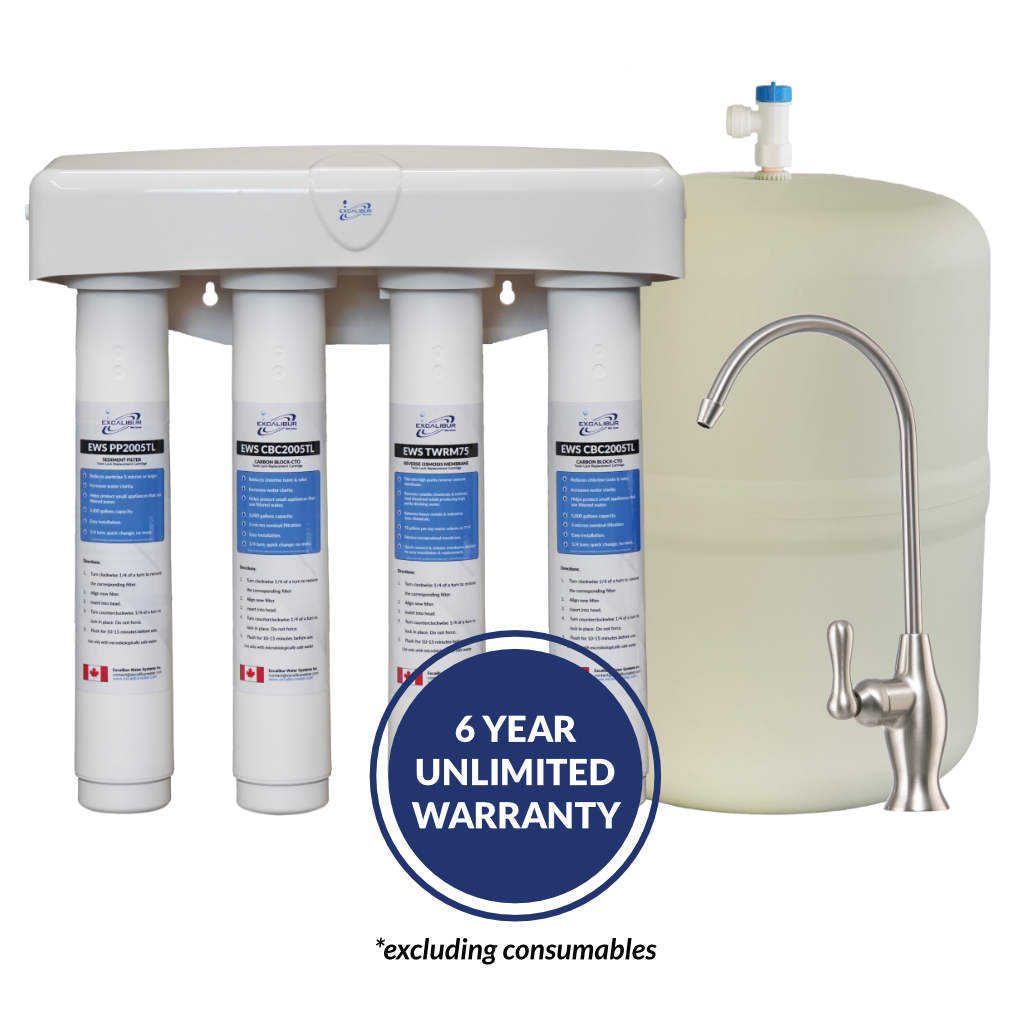
EPA identifies reverse osmosis, activated carbon and ion exchange as effective treatments for PFAS. For drinking and cooking water, reverse osmosis is the most common home option.
- 4-Stage Reverse Osmosis System: reduces chemicals and heavy metals, including PFAS, lead and microplastics.
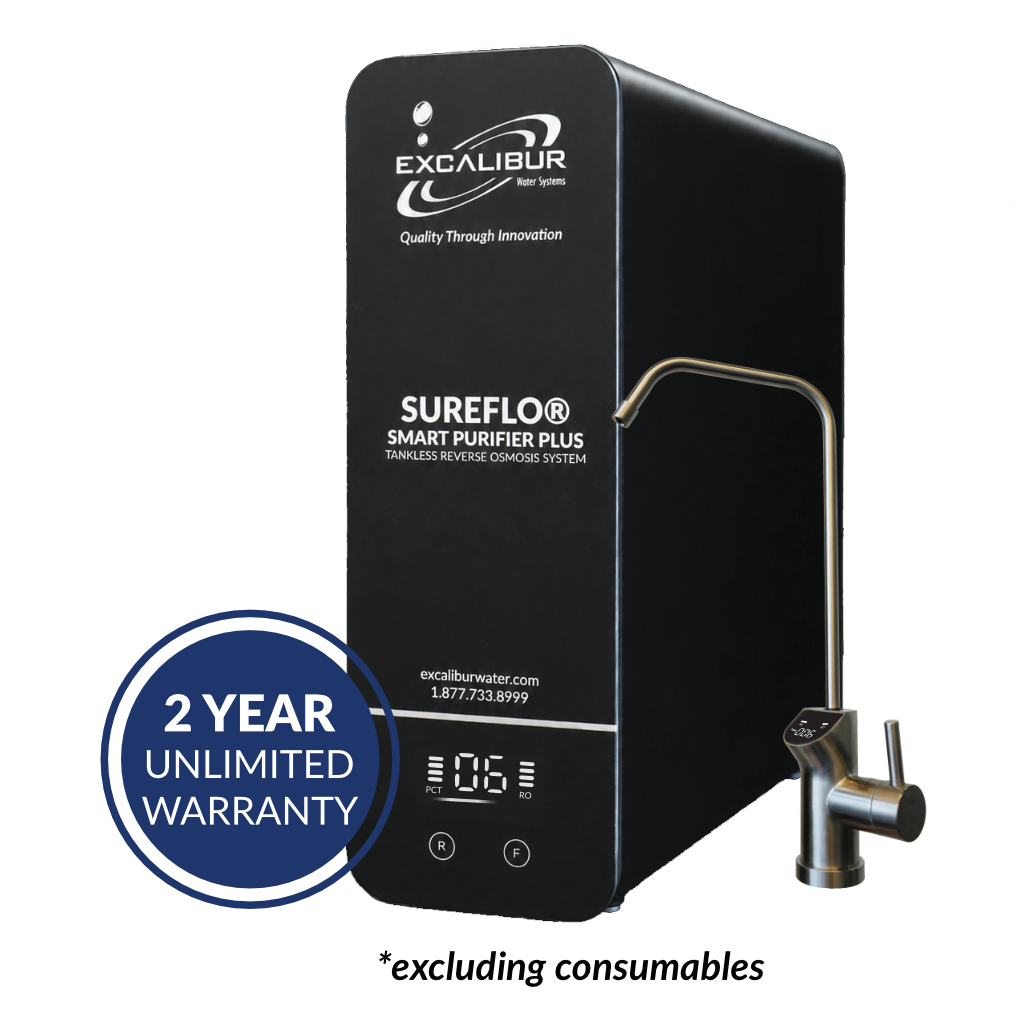
- SUREFLO® Smart Purifier PLUS: a tankless RO system with a TDS reading for your drinking water.
Not sure whether you need whole home filtration, RO or both? See Whole Home Water Filter vs. Reverse Osmosis.
The bottom line
If you're on Greenville Water, its testing so far hasn't found PFAS. If you're on another system or a well, or you'd just like the extra protection, reverse osmosis is a proven way to reduce PFAS in the water you drink. See our Water Quality page for more on local water.
Resources