
Understanding Your Water Quality

What's Really in Your Tap Water?

Your tap water may meet every safety standard, but that doesn't mean there's nothing left to filter. Learn what's in the water you use every day, why it matters, and how homeowners across Upstate South Carolina can improve their water quality.

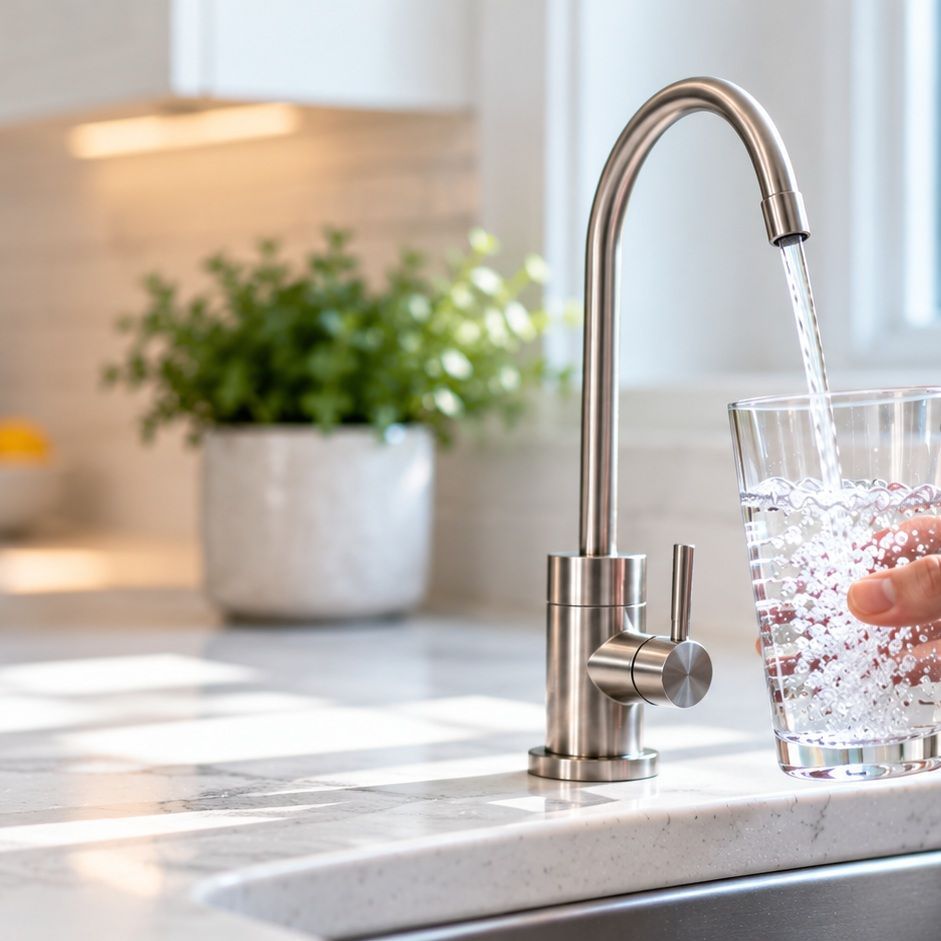
A glass of tap water on a kitchen counter in window light

If Your Tap Water Is Safe, Why Filter It?

Municipal water treatment plays an important role in providing safe drinking water. But even after treatment, certain chemicals and substances can remain in the water delivered to your home.

Here are three reasons Upstate homeowners may choose additional filtration.

A glass of tap water next to a kitchen faucet
1

Chlorine and Chloramine

Water utilities commonly use chlorine or chloramine to disinfect drinking water and protect it as it travels through the distribution system.

These disinfectants serve an important purpose, but they can also affect the taste and smell of your water. Filtration systems designed to reduce chlorine or chloramine can help improve water quality throughout your home.
Water running from a shower head
2

Disinfection Byproducts

When disinfectants react with naturally occurring organic material in water, they can form compounds known as disinfection byproducts.

Two commonly monitored groups are trihalomethanes (TTHMs) and haloacetic acids (HAA5).

A glass of clear water beside an old copper pipe
3

Older Pipes and Plumbing Fixtures

Water quality can also be affected by the plumbing inside your home.

Homes with plumbing installed before 1986 may contain lead solder, while certain older fixtures may contain lead-bearing materials. These materials can potentially introduce lead into drinking water, even when the municipal supply meets safety standards.

Filtration designed to reduce heavy metals can provide an additional layer of protection, particularly in older homes.

Legal Limits vs. Health-Based Goals

The Environmental Protection Agency (EPA) sets legal limits for these substances, but some individual disinfection byproducts have health-based goals of zero.

That's because legal drinking water limits and health-based goals serve different purposes. Water can meet regulatory standards while still containing measurable amounts of these compounds.

What Does This Mean for Your Home?

The water you use for drinking, cooking, showering, and bathing all comes from your home's water supply. Depending on your water source and plumbing, filtration can help reduce unwanted substances and improve taste and odor.

Chloramine also requires specialized treatment for dialysis equipment and aquariums. Standard household filters should not be assumed suitable for those uses.

Meeting drinking water standards is important. Choosing additional filtration is a personal decision about the water quality you want in your home.

What Do Local Water Quality Reports Show?

Water quality varies across Upstate South Carolina depending on the utility, water source, treatment methods, and household plumbing.

For example, Greenville Water, which serves approximately 395,000 people across the Upstate, draws its water from Table Rock Reservoir, North Saluda Reservoir, and Lake Keowee.

According to Greenville Water's 2025 Water Quality Report, the utility met all applicable federal and state drinking water standards. Its testing also documented measurable levels of disinfectants and disinfection byproducts.

2.3 ppm Average Chloramine Level Disinfectant used to protect drinking water throughout the distribution system. Greenville Water's 2025 Water Quality Report
16.4 ppb Average Total Trihalomethanes Disinfection byproducts measured below the federal limit of 80 ppb. Greenville Water's 2025 Water Quality Report
15.4 ppb Average Haloacetic Acids (HAA5) Disinfection byproducts measured below the federal limit of 60 ppb. Greenville Water's 2025 Water Quality Report
0 Reported Water Quality Violations Greenville Water met applicable federal and state drinking water standards. Greenville Water's 2025 Water Quality Report

These numbers are specific to Greenville Water and shouldn't be assumed to represent every water supply in the Upstate.

They do, however, illustrate an important point: water can meet safety standards while still containing substances that some homeowners would prefer to reduce.

How Can Water Filtration Help?

Different filtration systems target different water quality concerns. Some treat water throughout your home, while others focus on the water you drink and cook with.

Greenville Water Filtration offers professionally installed residential systems designed to address a variety of water quality needs.

Water Quality Concern GWF Filtration Systems How They Help
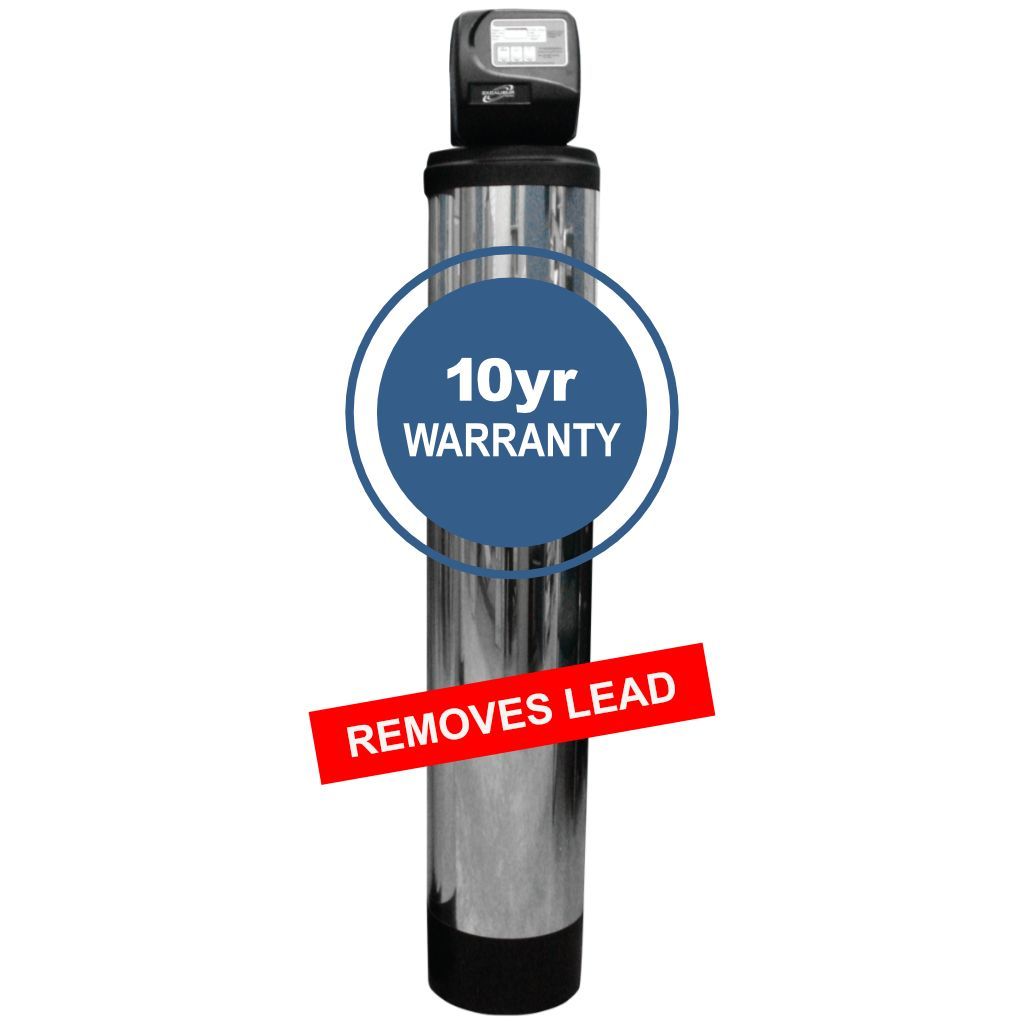
Chlorine and chloramine taste or odor GWF Filtration Systems Premium Whole Home Filtration, Filtermax Superior How They Help Designed to reduce disinfectants and improve water taste and odor.
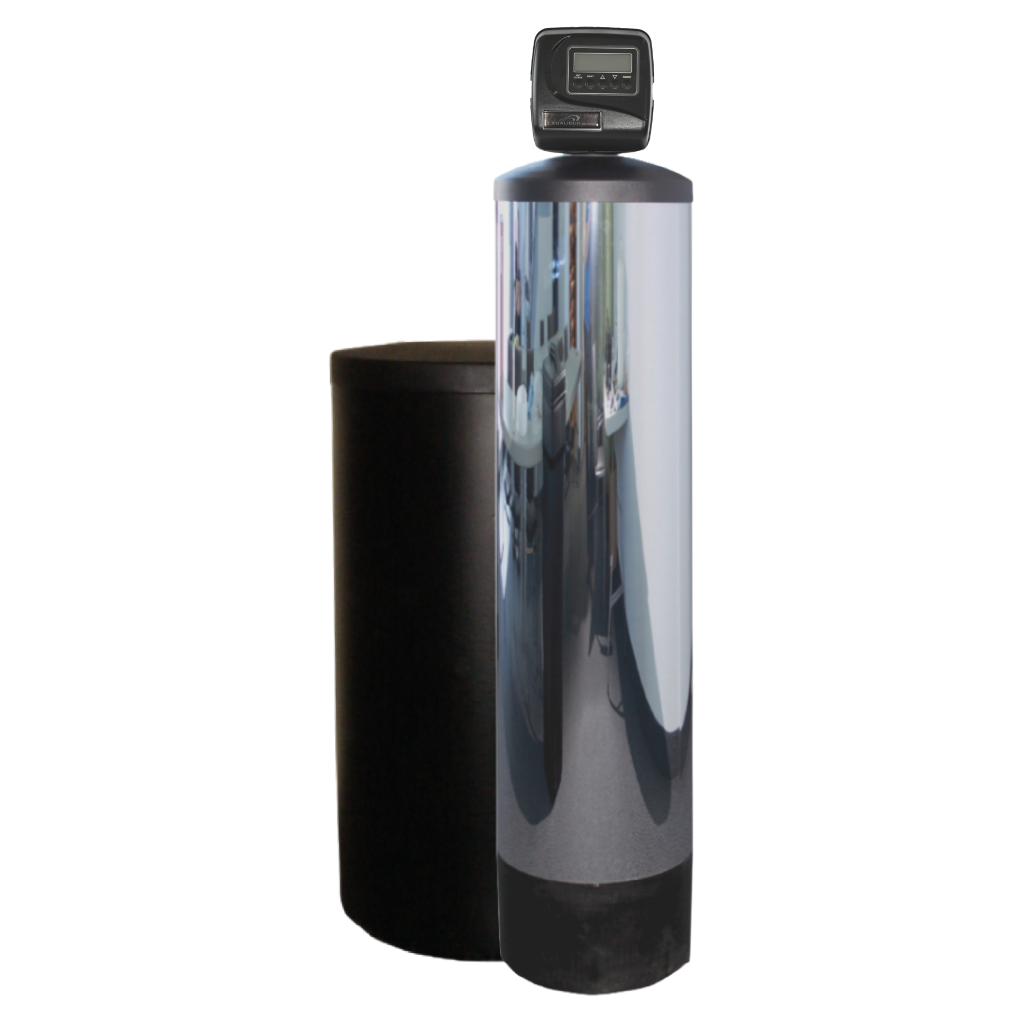
Disinfection byproducts, including THMs GWF Filtration Systems Premium Whole Home Filtration, Chlor-A-Soft, Filtermax Superior How They Help Target selected chemicals and disinfection byproducts in treated water.
Lead and other heavy metals GWF Filtration Systems Premium Whole Home Filtration, 4-Stage Reverse Osmosis How They Help Designed to reduce selected heavy metals that may be present in household water.
Sediment and particles GWF Filtration Systems Premium Whole Home Filtration, Filtermax Superior How They Help Help reduce sediment before water reaches household fixtures.
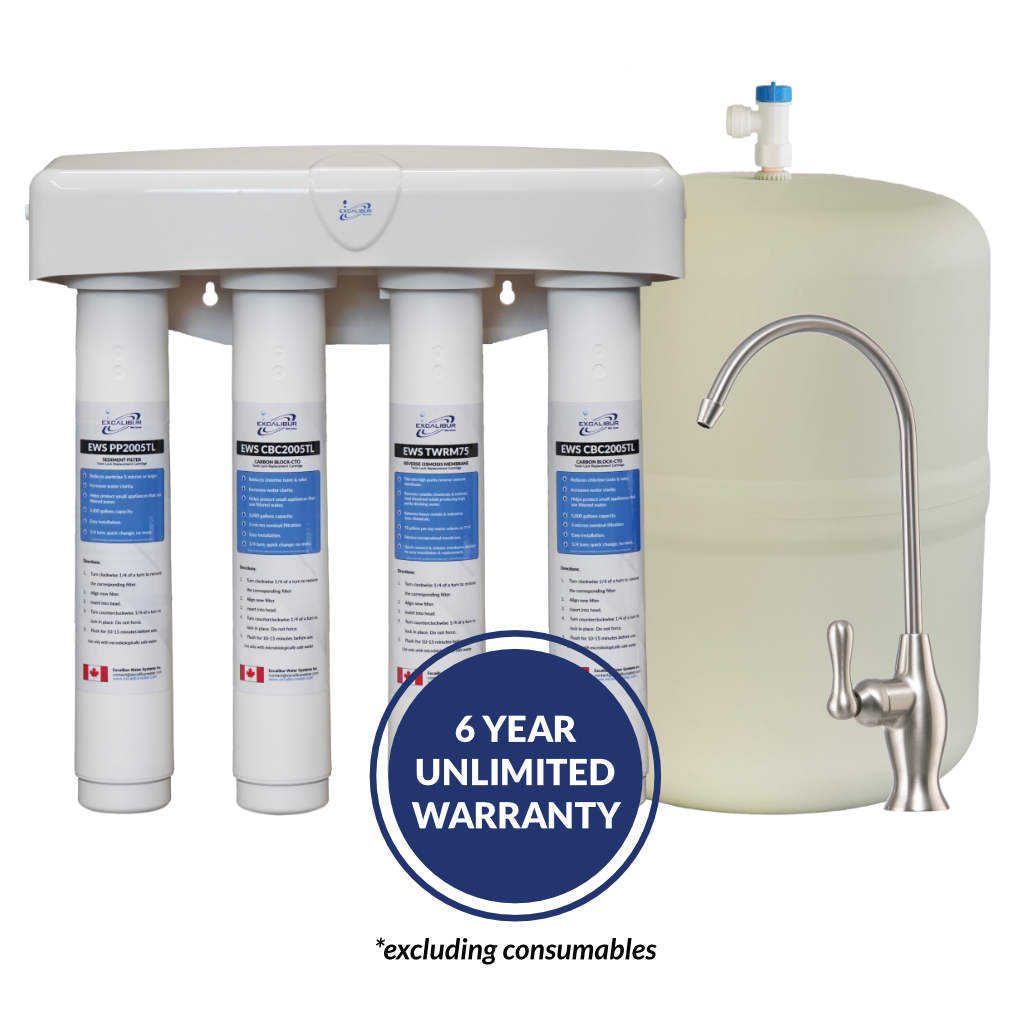
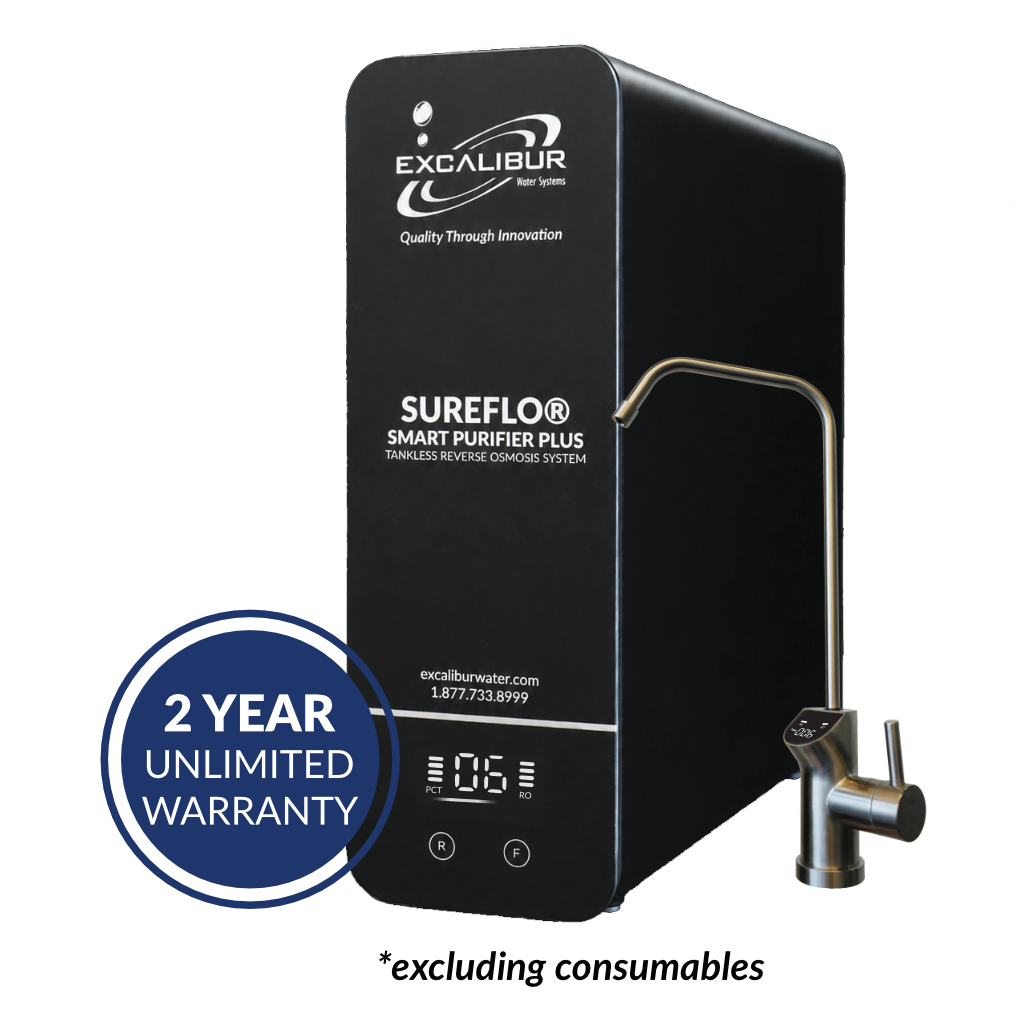
Drinking and cooking water quality GWF Filtration Systems 4-Stage Reverse Osmosis, SUREFLO Smart Purifier PLUS How They Help Provide additional filtration for water used at the kitchen tap.

Not every home needs the same solution. The right filtration system depends on your water source, the substances you want to reduce, and where you want filtered water available.

Frequently Asked Questions About Water Quality in Upstate SC

Greenville Water reports that its drinking water meets all applicable federal and South Carolina safety standards. Other Upstate utilities monitor and report their water quality separately.

Even when municipal water meets safety standards, it may still contain disinfectants and disinfection byproducts at permitted levels. Some homeowners choose additional filtration to reduce these substances.

Water hardness varies depending on your water source and utility.

Greenville Water reports an average hardness of approximately 4.9 milligrams per liter, or 0.3 grains per gallon, which is considered soft water.

Other water supplies may have different mineral levels. Understanding your home's water quality can help determine whether filtration or softening is appropriate.

PFAS levels vary by water source, and testing results from one utility should not be applied to every home in the Upstate.

Greenville Water reported no detections of the 29 PFAS chemicals tested under the EPA's Fifth Unregulated Contaminant Monitoring Rule during 2024 and 2025.

Homeowners interested in PFAS should review their utility's testing results or consider appropriate contaminant-specific testing.

Whole home filtration treats water entering your house, providing filtered water to multiple fixtures.

Reverse osmosis typically provides additional treatment at a single location, such as the kitchen sink, and is designed to reduce selected dissolved substances and contaminants.

The right option depends on whether you want filtration throughout your home, at the kitchen tap, or both.

Find Out More About Your Home's Water Quality

Every home's water is different. Greenville Water Filtration helps Upstate homeowners understand their options and choose professionally installed filtration systems for cleaner, better-tasting water.

A technician handing a homeowner a glass of filtered water