

Whole Home Water Filter vs. Reverse Osmosis
Whole home filtration treats every tap. Reverse osmosis purifies drinking water at the sink. Here's how to choose for your Greenville-area home.
The two most common ways to filter water at home work very differently. A whole home system treats all the water coming into your house. A reverse osmosis (RO) system purifies the water you drink and cook with at one faucet. Many homes end up with both. Here's how to tell which one solves the problem you care about.
Whole home filtration: every tap, every shower
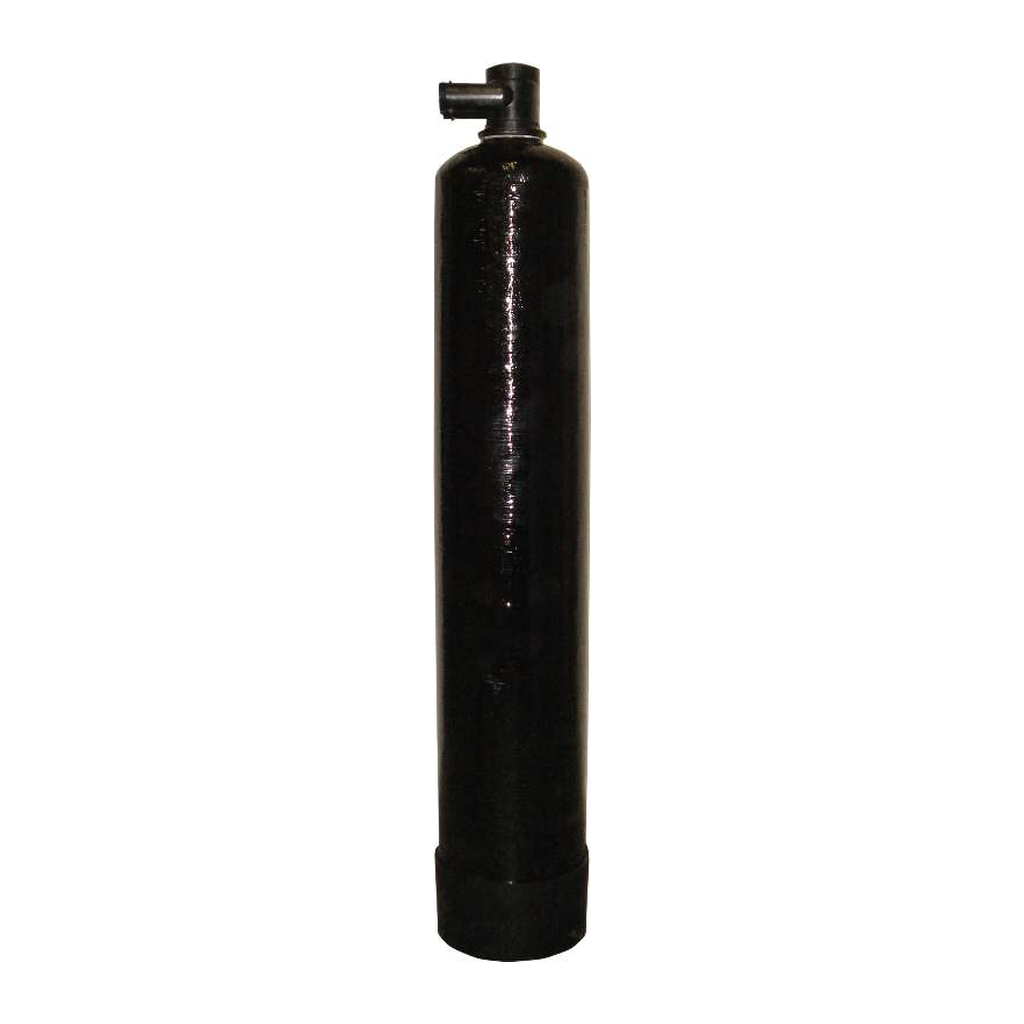
A whole home system is installed where water enters your house, so everything downstream is filtered: kitchen and bathroom faucets, showers, laundry and the water heater.
For homes on city water like Greenville Water, it's built to reduce:
- Chlorine and chloramine taste and smell
- Disinfection byproducts like THMs
- Sediment
- Heavy metals, depending on the system
It's the right choice if the smell in the shower, dry skin or the taste at every faucet is what bothers you. GWF's whole home systems are designed for municipal water.
Reverse osmosis: purified water at the kitchen sink
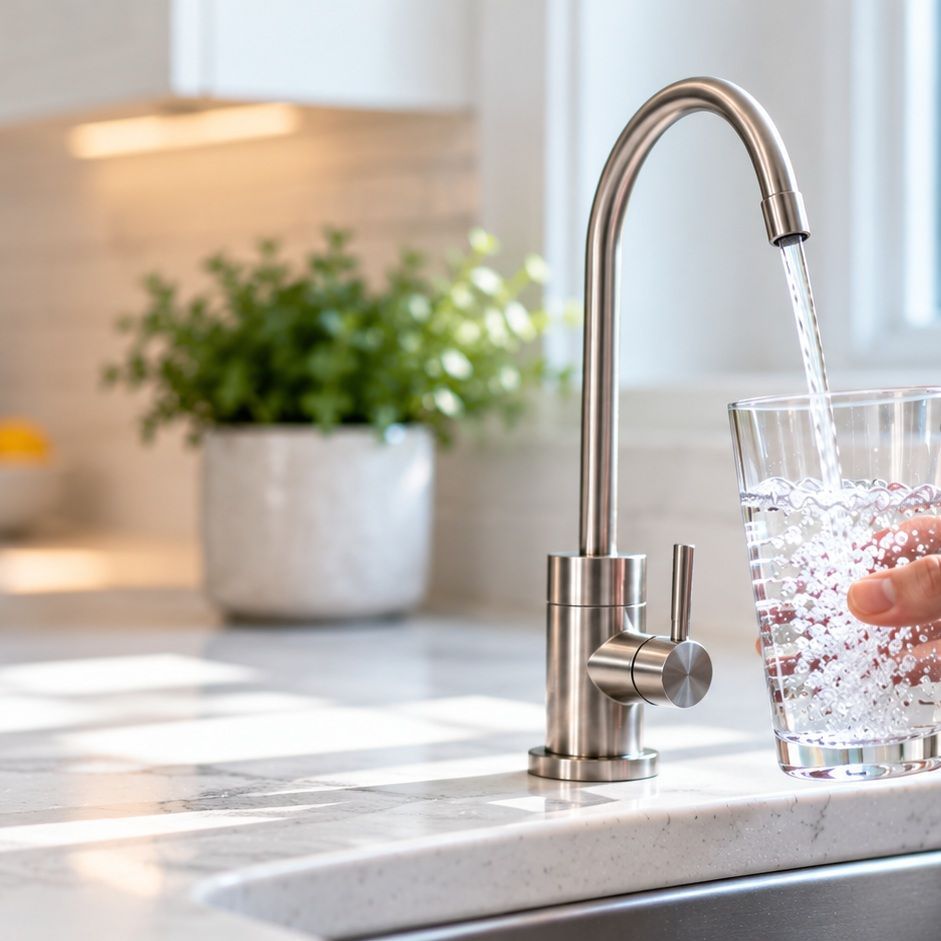
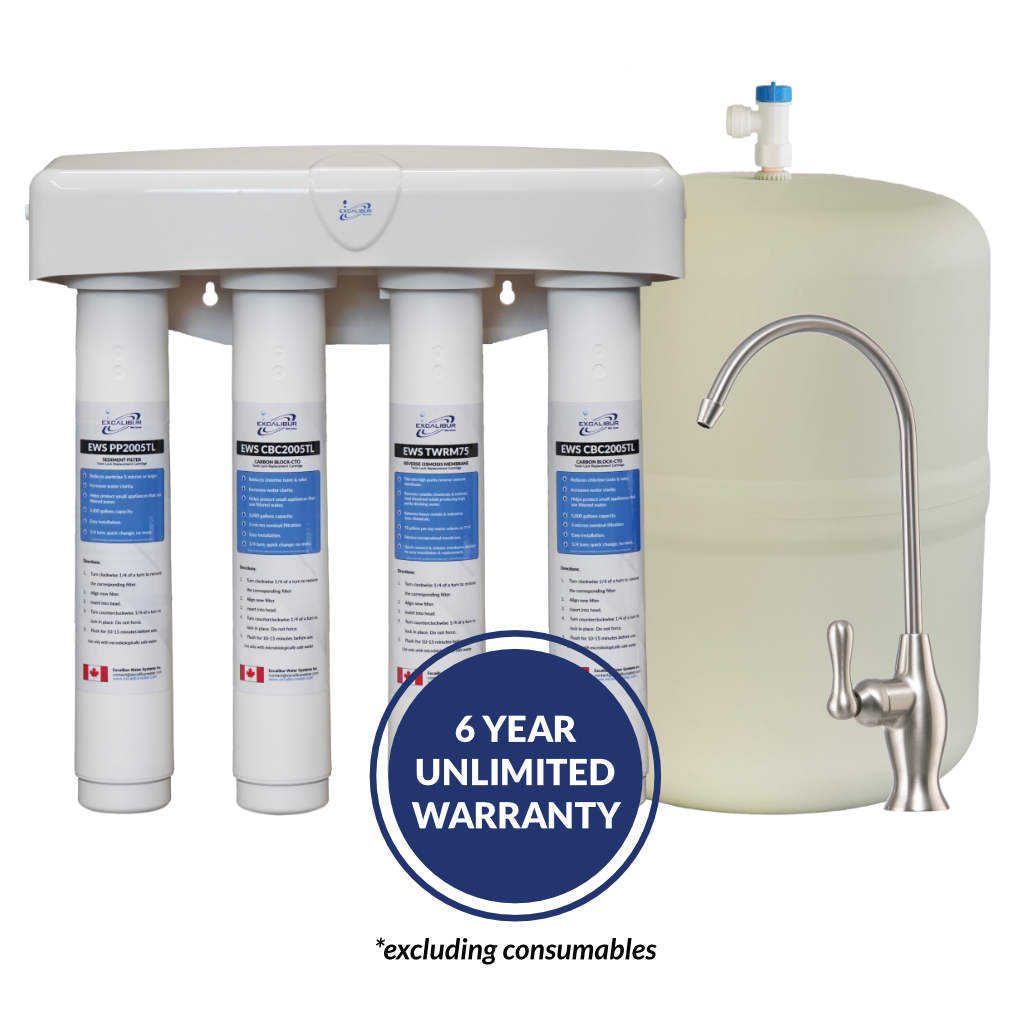
An RO system sits under the kitchen sink and pushes water through a very fine membrane, with carbon and sediment filters before and after it. The result is high-purity water from its own faucet.
RO reduces a much wider range of dissolved contaminants than a whole home filter, including lead, PFAS and microplastics. It's the right choice if your main concern is what you and your family drink and cook with.
Side by side
| Feature | Whole home filtration | Reverse osmosis |
|---|---|---|
| Where it's installed | Where water enters the house | Under the kitchen sink |
| Water it treats | Every tap, shower and appliance | One drinking water faucet |
| Best for | Chloramine taste and smell, showers, skin and hair | Drinking and cooking water |
| Reduces | Chlorine, chloramine, THMs, sediment, some heavy metals | Dissolved solids, lead, PFAS, microplastics and more |
| GWF systems | Premium Whole Home Filtration System, Chlor-A-Soft™, Filtermax™ Superior | 4-Stage Reverse Osmosis System, SUREFLO® Smart Purifier PLUS |
Do you need both?
Often, yes. A whole home system handles the chloramine and chemicals your family breathes and absorbs in the shower. An RO system adds a higher level of purification for the water you drink. Starting with one and adding the other later works too.
GWF's systems
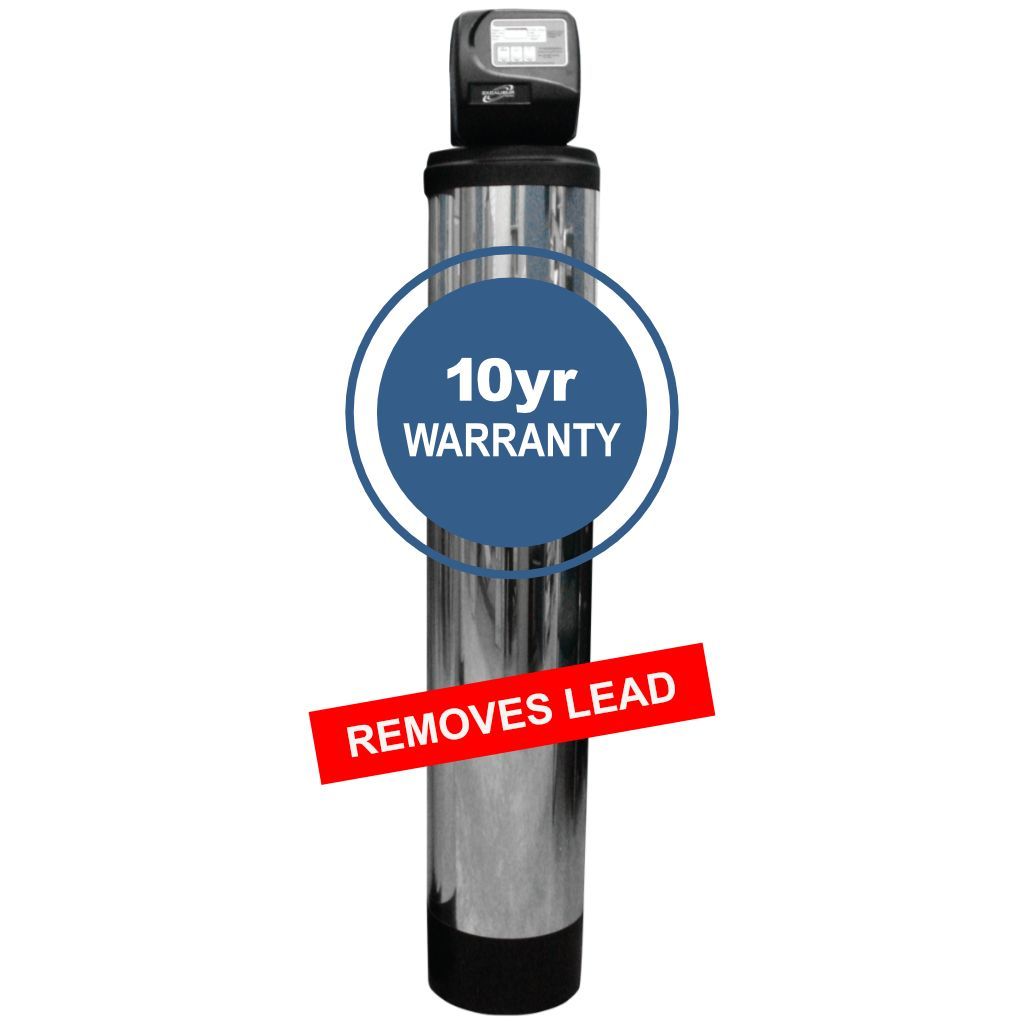
- Premium Whole Home Filtration System: removes chemicals like chlorine, chloramines and THMs, plus heavy metals including lead, and sediment.
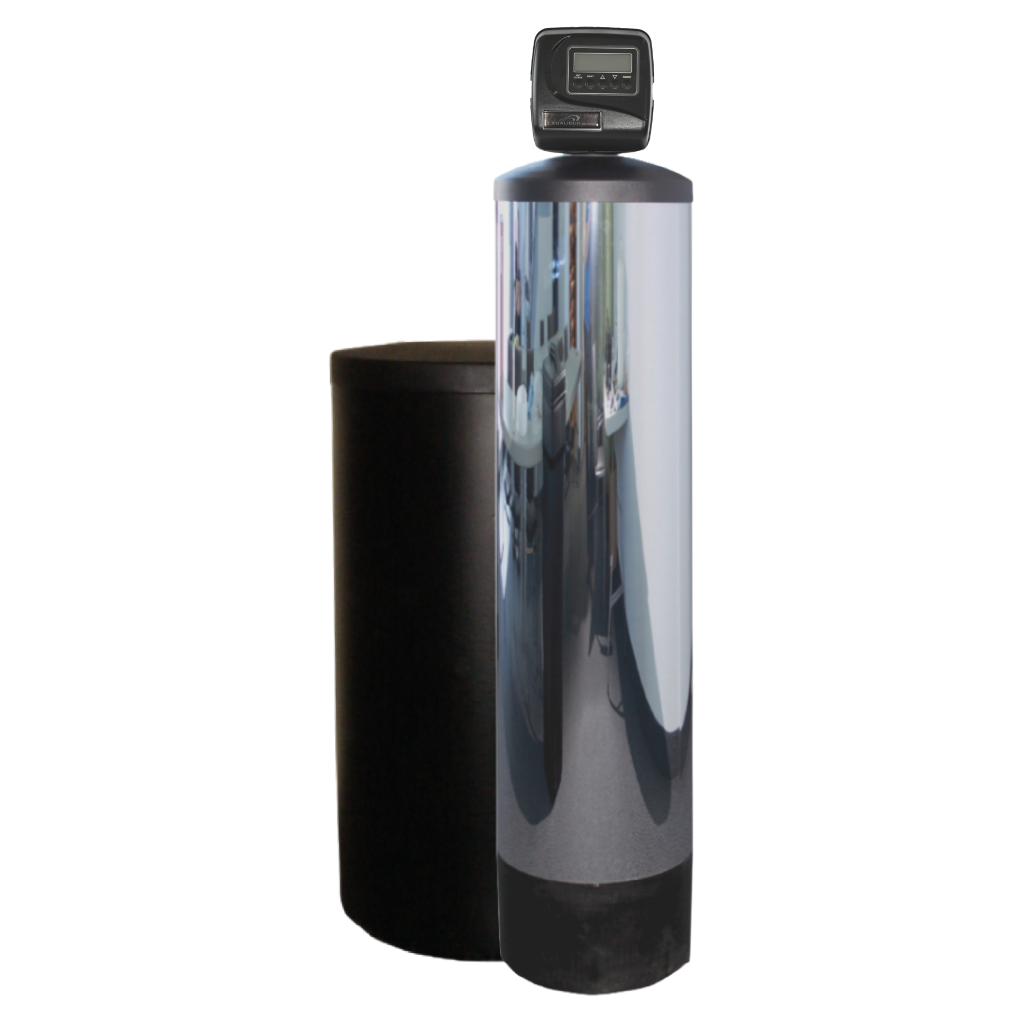
- Chlor-A-Soft™ Series Water Softener Plus: soft water plus chlorine and chemical filtration in one system.
- Filtermax™ Superior Chemical Removal Filter: chemical and sediment removal with no cost to operate.
- 4-Stage Reverse Osmosis System: reduces chemicals and heavy metals, including lead, PFAS and microplastics.
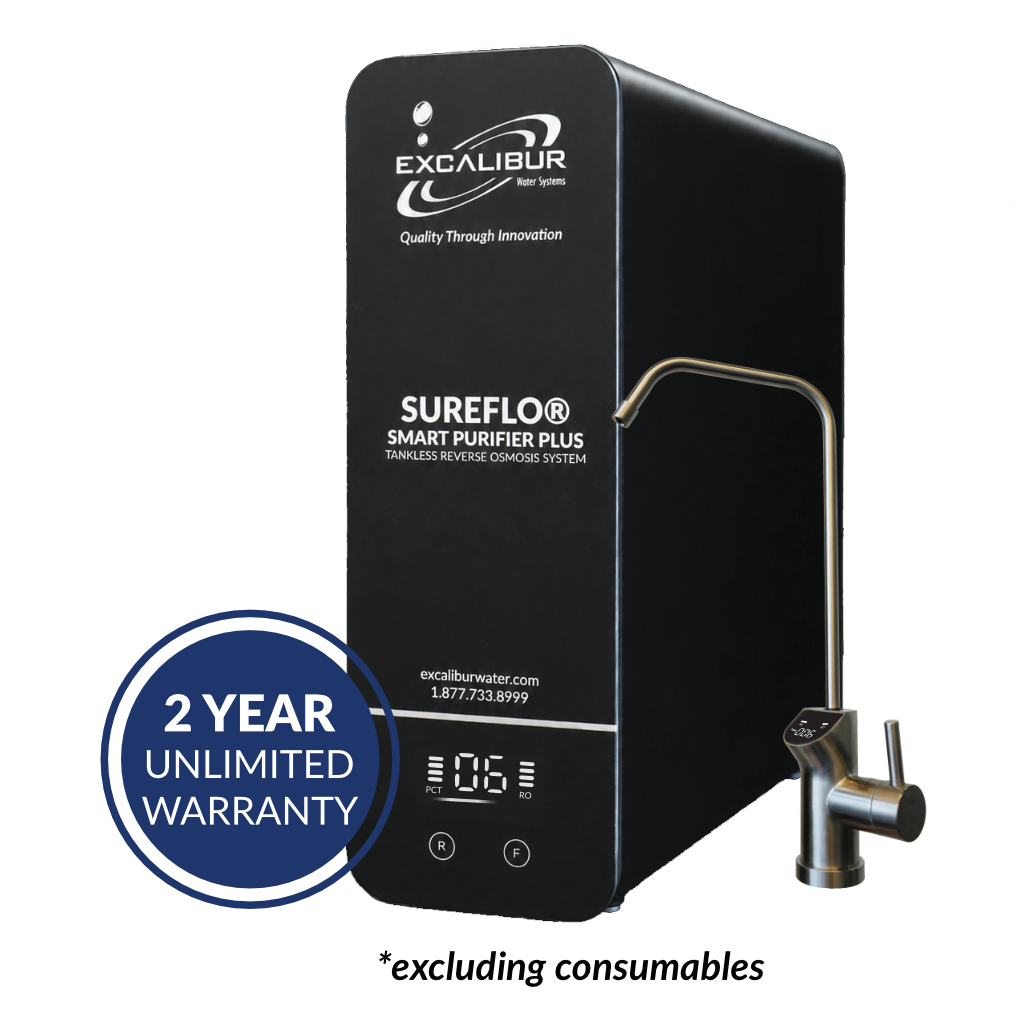
- SUREFLO® Smart Purifier PLUS: a tankless RO system with on-demand water and a TDS reading for your drinking water.
The bottom line
If it bothers you everywhere, start with whole home filtration. If it's about what's in your glass, start with reverse osmosis. A free water test shows what's actually in your water so the choice is based on your home, not a guess. For more on local water, see our Water Quality page.
Resources