
Water Treatment Glossary
November 17, 2026
Plain-English definitions of the water terms you'll see on Upstate SC water quality reports and filtration systems, from chloramine to PFAS.
Water quality reports and filtration systems come with a lot of jargon. Here are the terms you're most likely to run into, in plain English.
- Activated carbon
- Highly porous carbon, often made from coconut shells or wood, that traps chemicals and odors as water passes through. The workhorse of most chemical filters.
- Action level
- A lead or copper level that, if exceeded in too many homes, requires a utility to take extra steps. It isn't a safety threshold.
- Backwash
- Reversing water flow through a filter to flush out what it trapped. Some whole home systems do this automatically.
- Chloramine
- A disinfectant made by combining chlorine and ammonia. Greenville Water uses it because it lasts longer in the pipes.
- Chlorine
- A disinfectant used to kill bacteria in drinking water. Spartanburg Water uses chlorine.
- Consumer Confidence Report (CCR)
- The annual water quality report every utility must publish. It lists what was found in your water and how it compares to federal limits.
- Corrosion control
- Treatment a utility adds to make water less likely to dissolve metals like lead and copper from pipes.
- Disinfection byproducts
- Compounds that form when chlorine or chloramine reacts with natural material in water. THMs and HAA5 are the regulated ones.
- Grains per gallon (gpg)
- A unit for measuring water hardness. One gpg equals about 17.1 mg/L.
- HAA5
- Five haloacetic acids, a group of disinfection byproducts. The federal limit is 60 ppb.
- Hard water
- Water high in dissolved calcium and magnesium, which leaves scale and soap scum. Greenville's city water is soft.
- Heavy metals
- Metals like lead, copper and cadmium that can be harmful at low levels.
- Ion exchange
- Swapping unwanted ions in water for harmless ones on a resin. It's how water softeners work, and some systems use it for PFAS.
- Lead service line
- A lead pipe connecting a water main to a home. Greenville Water reports having none.
- MCL (Maximum Contaminant Level)
- The highest level of a contaminant allowed in drinking water. This is the legal limit.
- MCLG (Maximum Contaminant Level Goal)
- The level at which no health risk is expected. It's a health goal, not a legal limit, and can be lower than the MCL.
- Micron
- One millionth of a meter. Filters are often rated by the smallest particle size in microns that they catch.
- Municipal water
- Water supplied by a public utility, like Greenville Water. Also called city water.
- PFAS
- Per- and polyfluoroalkyl substances, a large group of man-made "forever chemicals" that break down very slowly.
- pH
- A 0 to 14 scale of how acidic or alkaline water is. 7 is neutral.
- Point of entry
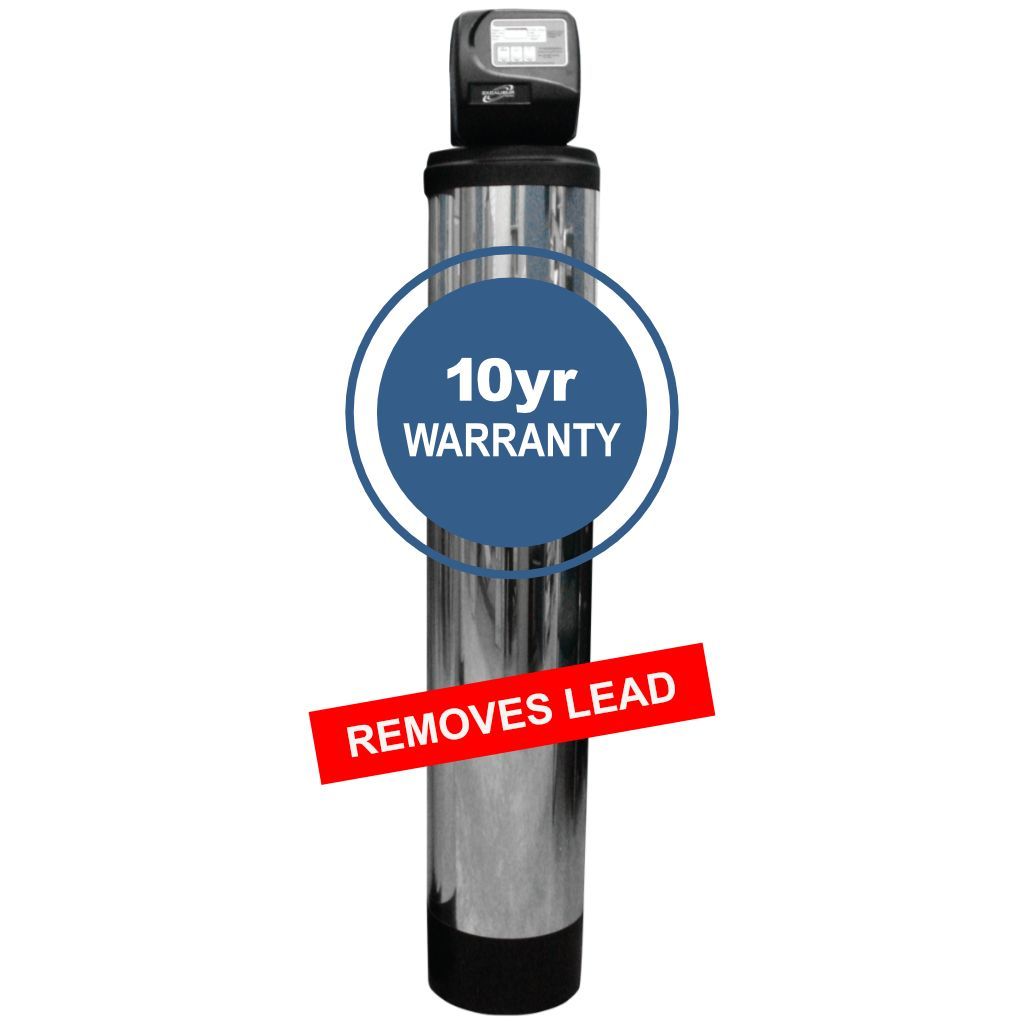
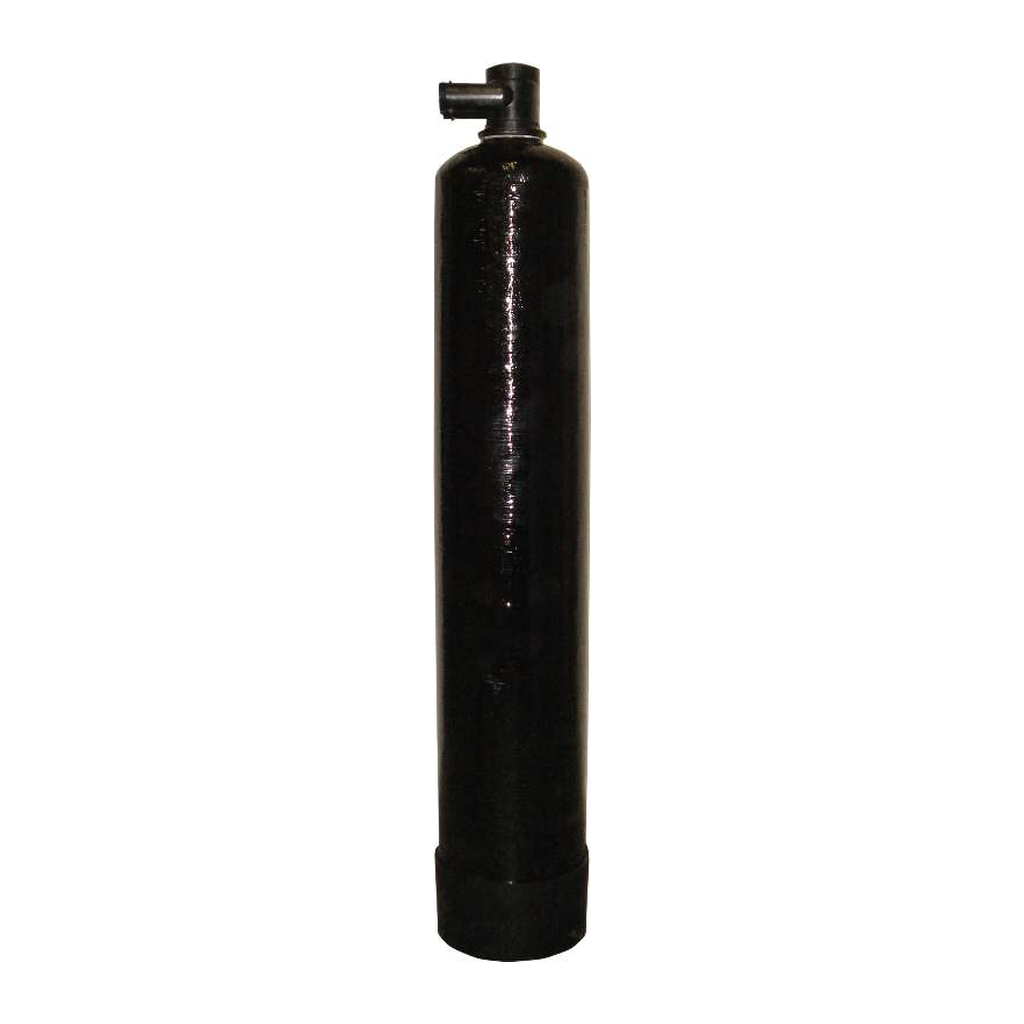
- A treatment system installed where water enters the house, treating all of it. Whole home systems are point of entry.
- Point of use
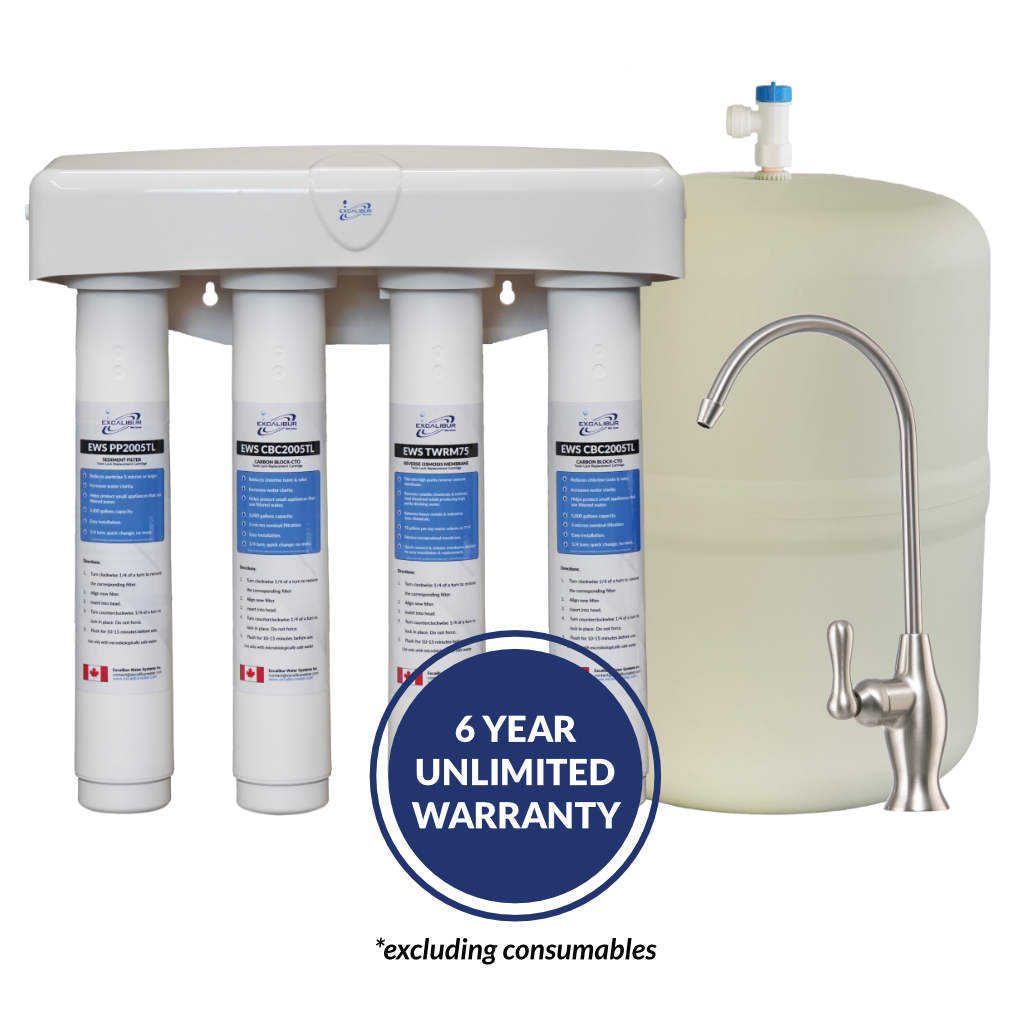
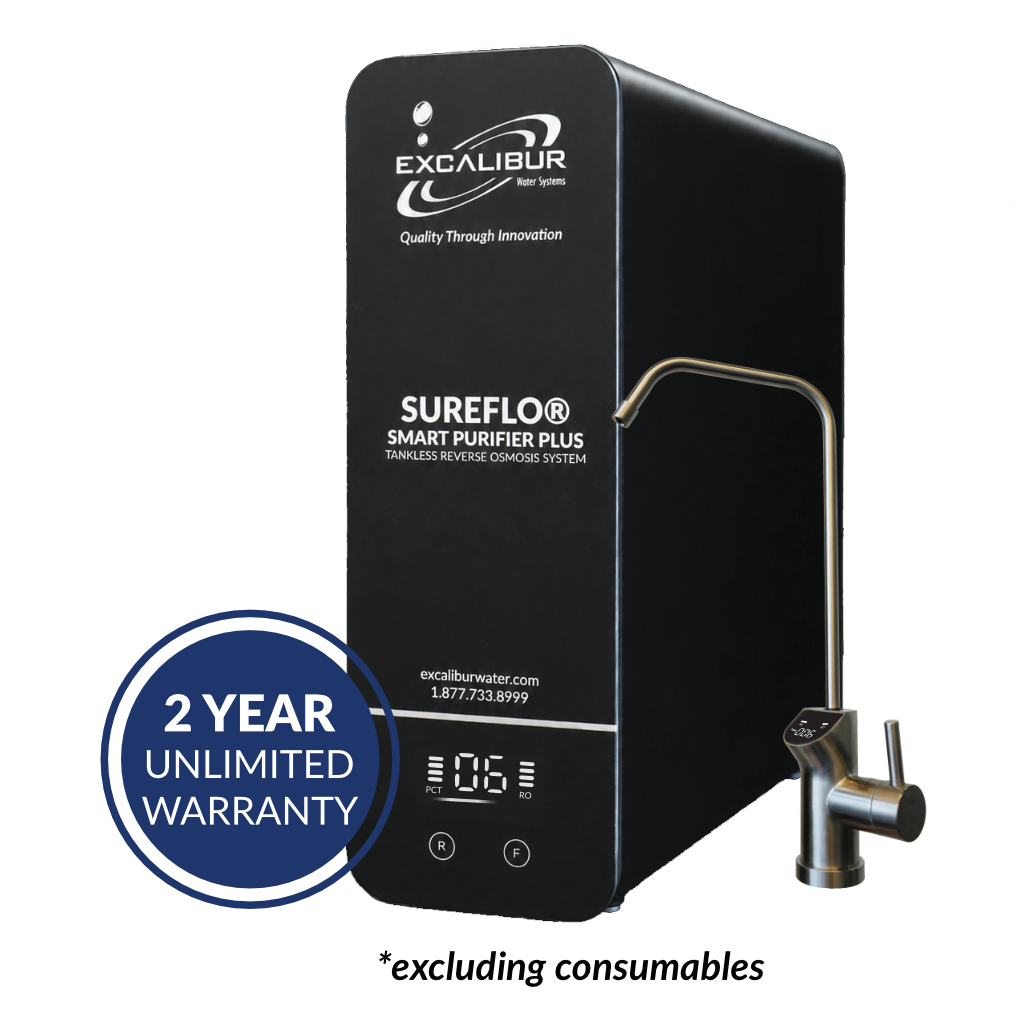
- A treatment system installed at one faucet, like a reverse osmosis system under the kitchen sink.
- ppm, ppb, ppt
- Parts per million, billion and trillion. Ways to measure very small amounts. 1 ppm equals 1,000 ppb, and 1 ppb equals 1,000 ppt.
- Reverse osmosis (RO)
- Pushing water through a very fine membrane to remove dissolved contaminants. Used for high-purity drinking water.
- Sediment
- Sand, silt, rust and other particles carried in water.
- Service line
- The pipe that carries water from the main in the street into your home.
- TDS (Total Dissolved Solids)
- Everything dissolved in water, including minerals, salts and metals, measured together.
- THMs (Trihalomethanes)
- A group of disinfection byproducts. The federal limit is 80 ppb.
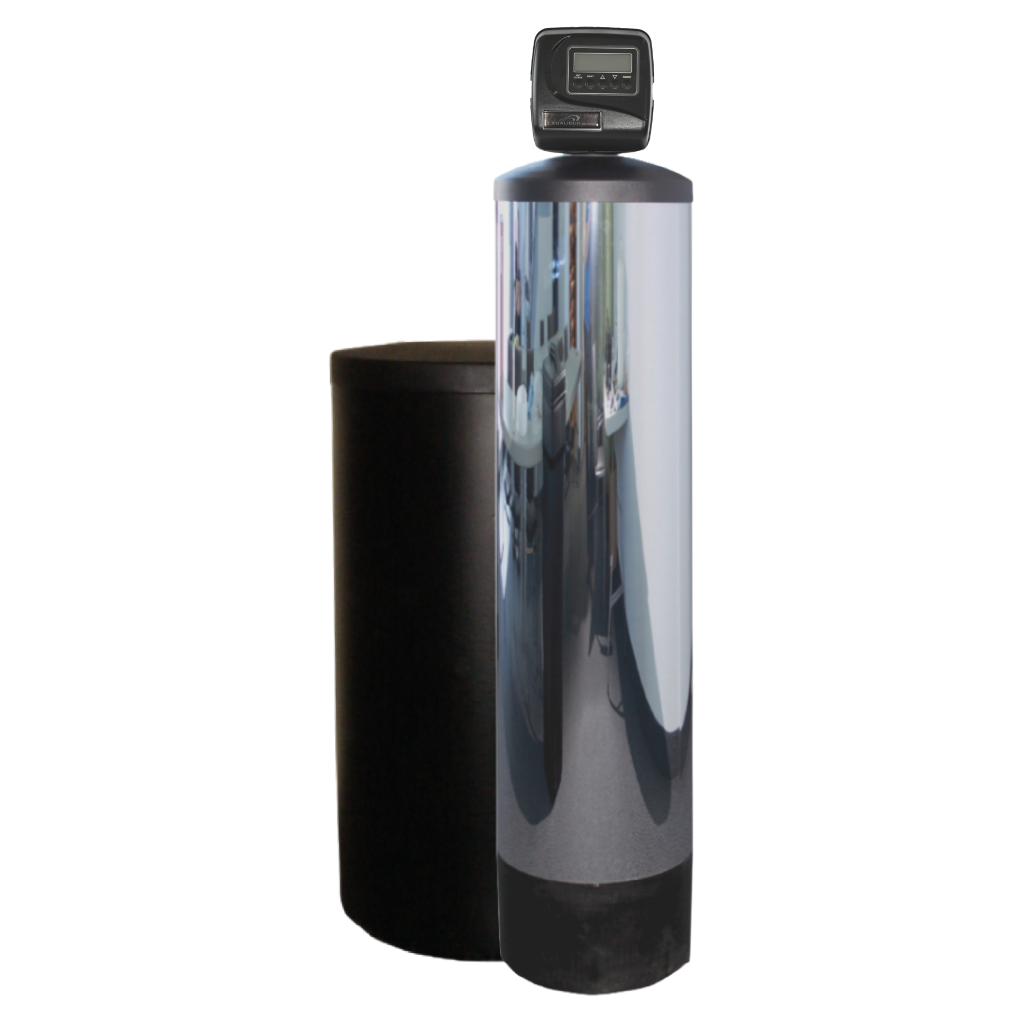
- Water softener
- A system that removes hardness minerals, usually through ion exchange.
- Well water
- Water from a private well. Unlike city water, it isn't regulated or tested by a utility.
Have a question that isn't here?
Call us at 864-351-6637, or see our Water Quality page for what's in Upstate SC tap water.
Resources
November 17, 2026
Greenville Water disinfects with chloramine, not plain chlorine. Here's what that means for taste, smell and filtering it out at home.
November 17, 2026
Whole home filtration treats every tap. Reverse osmosis purifies drinking water at the sink. Here's how to choose for your Greenville-area home.